*
This “n” value reflects the number of study participants from Group 1 who were
available during the time of data collection at week 96.
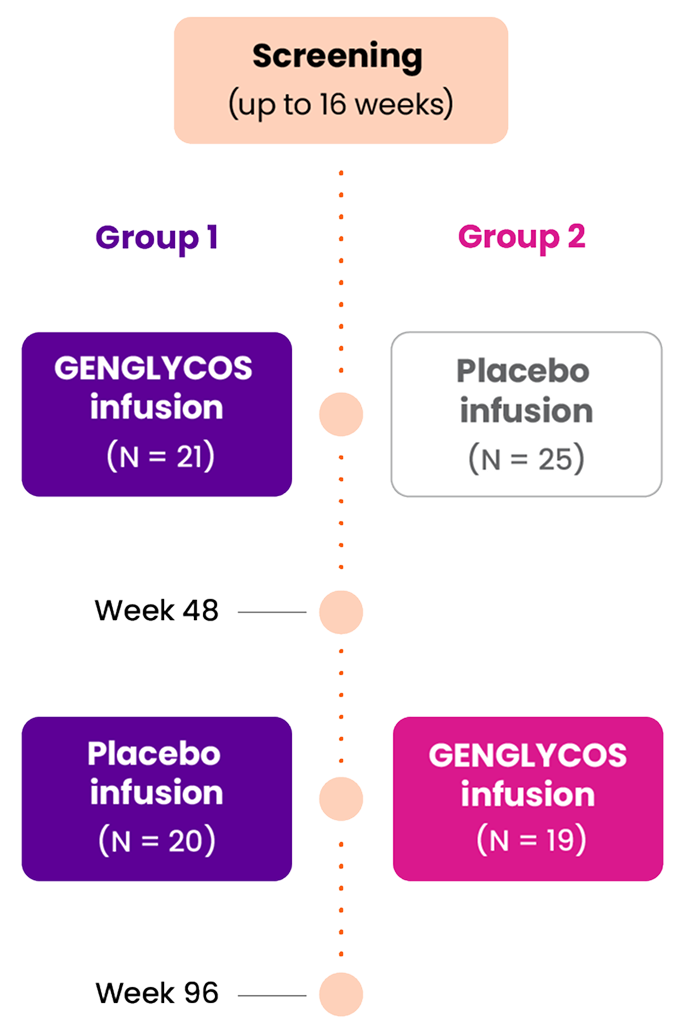
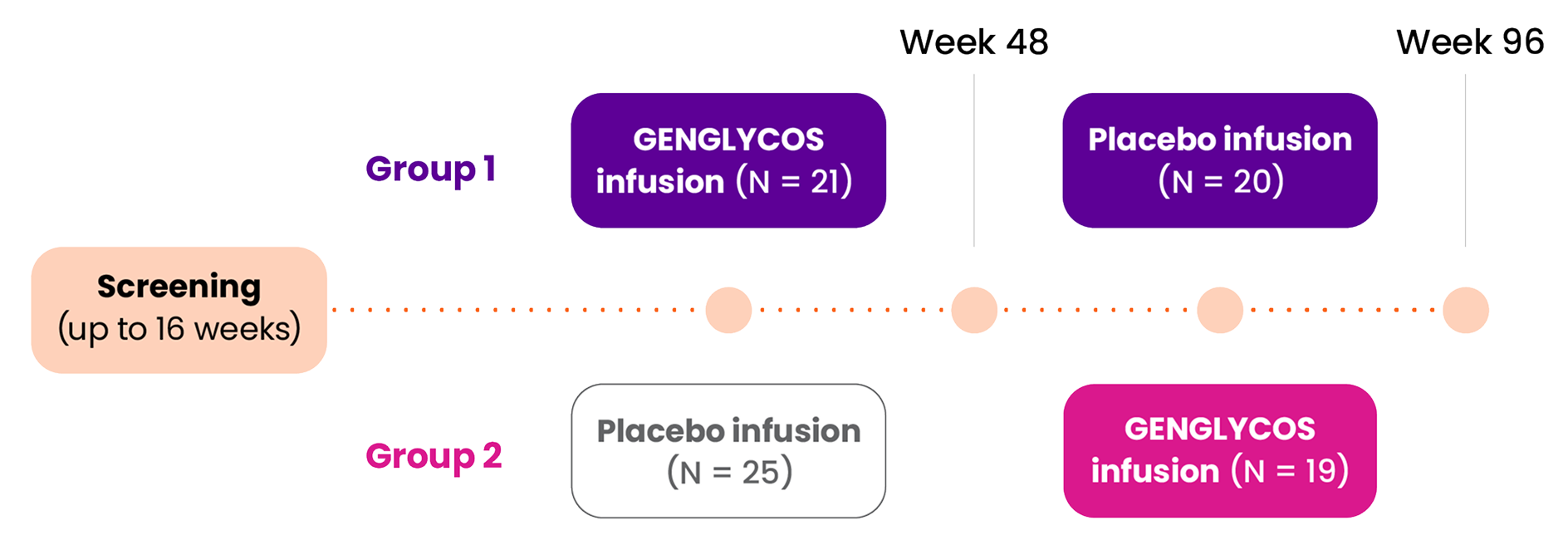
Group 1 saw greater average reductions in daily cornstarch consumption compared with Group 2 from the start of the study. Before receiving their first infusion, the average amount of cornstarch consumed per day was 294 grams for Group 1 and 272 grams for Group 2.
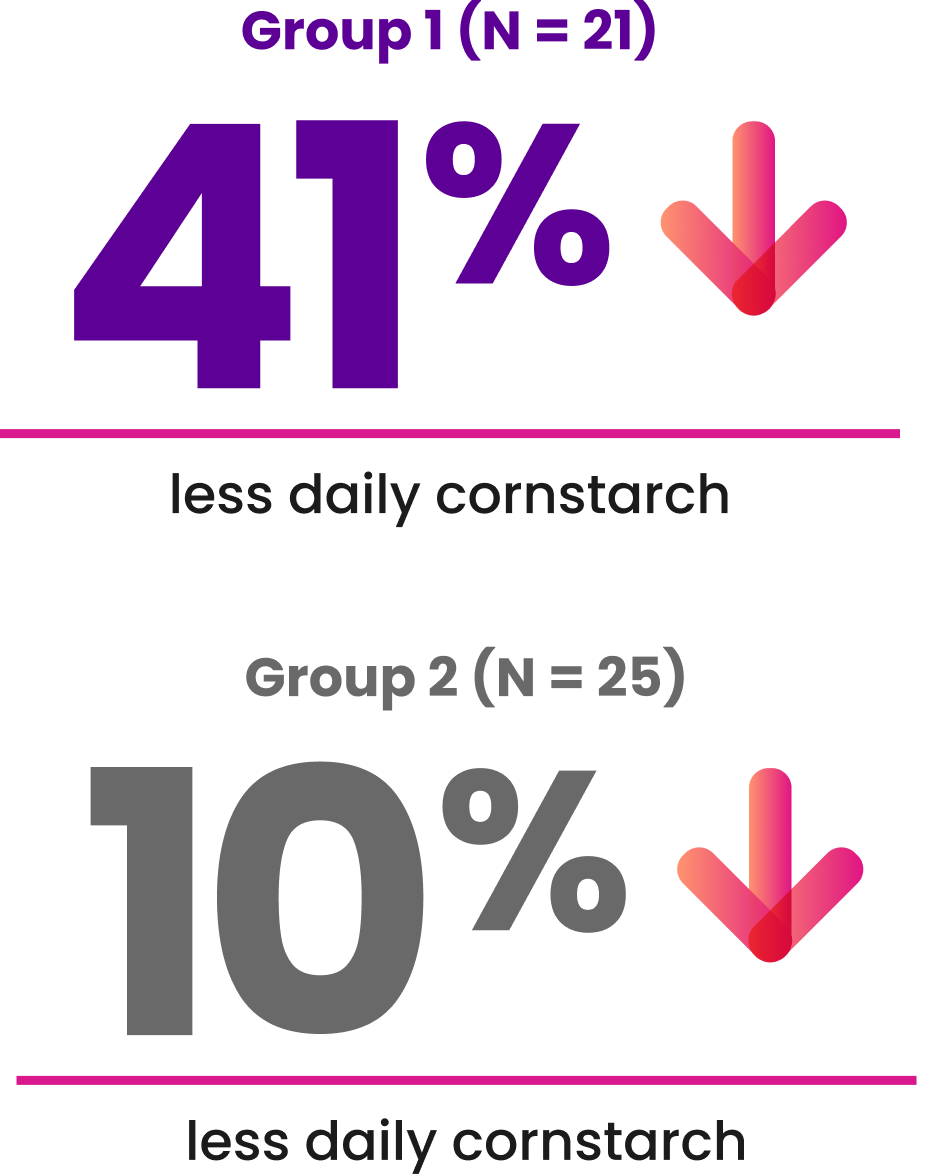
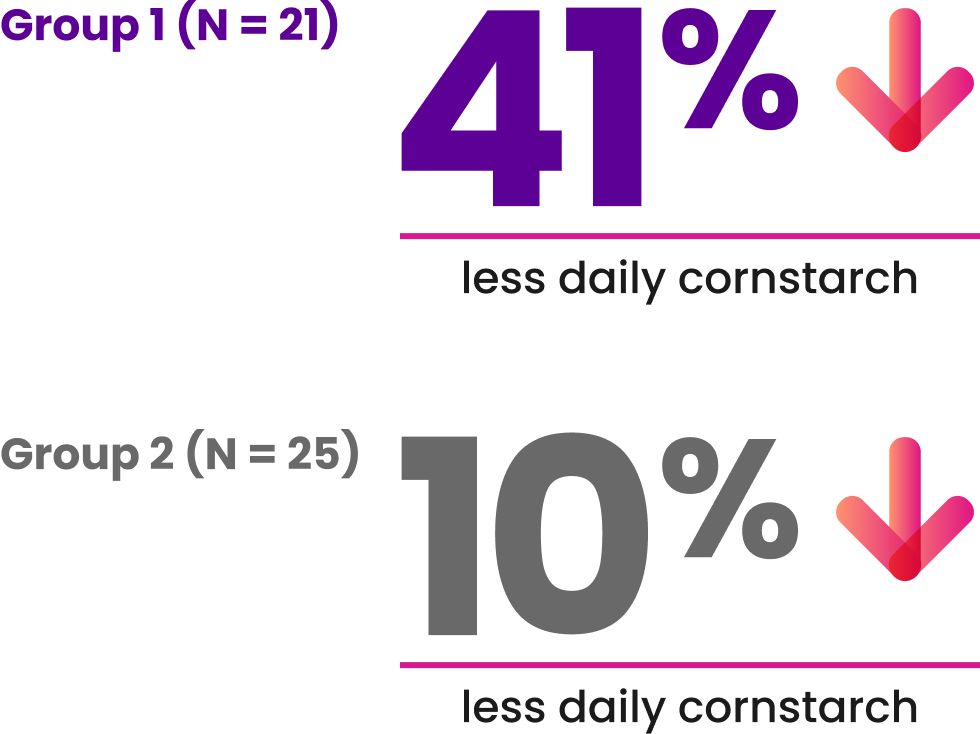
Those in Group 1 consumed, on average, 41% less cornstarch per day, compared with 10% less in Group 2.
Further reductions in average daily cornstarch consumption were seen in Group 1 at week 96.
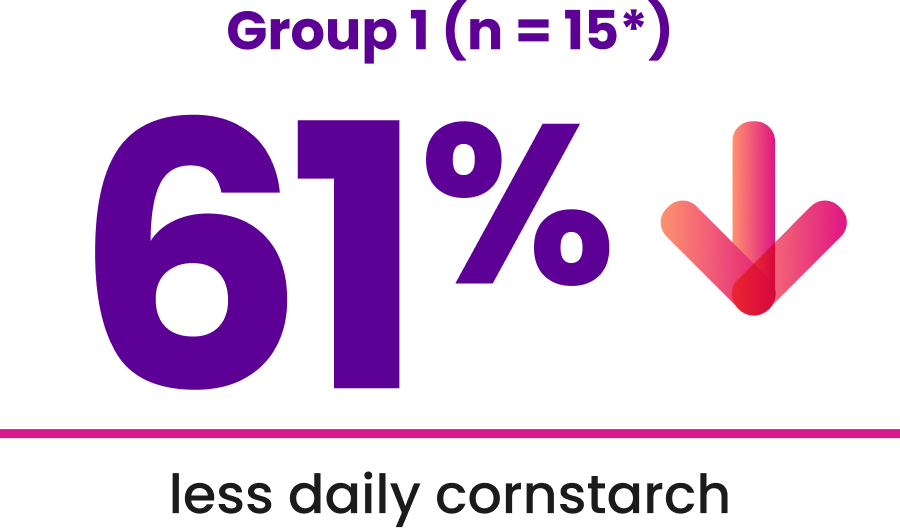
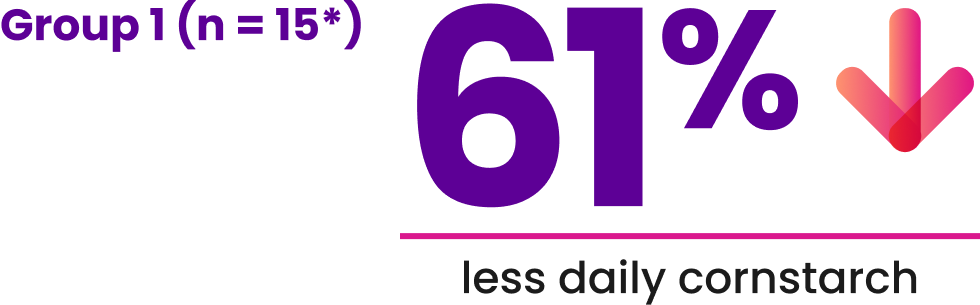
Those in Group 1 consumed an average of 61% less cornstarch per day from the start of the study.
Here’s a breakdown of how average daily cornstarch consumption changed for those who received GENGLYCOS for their first infusion:
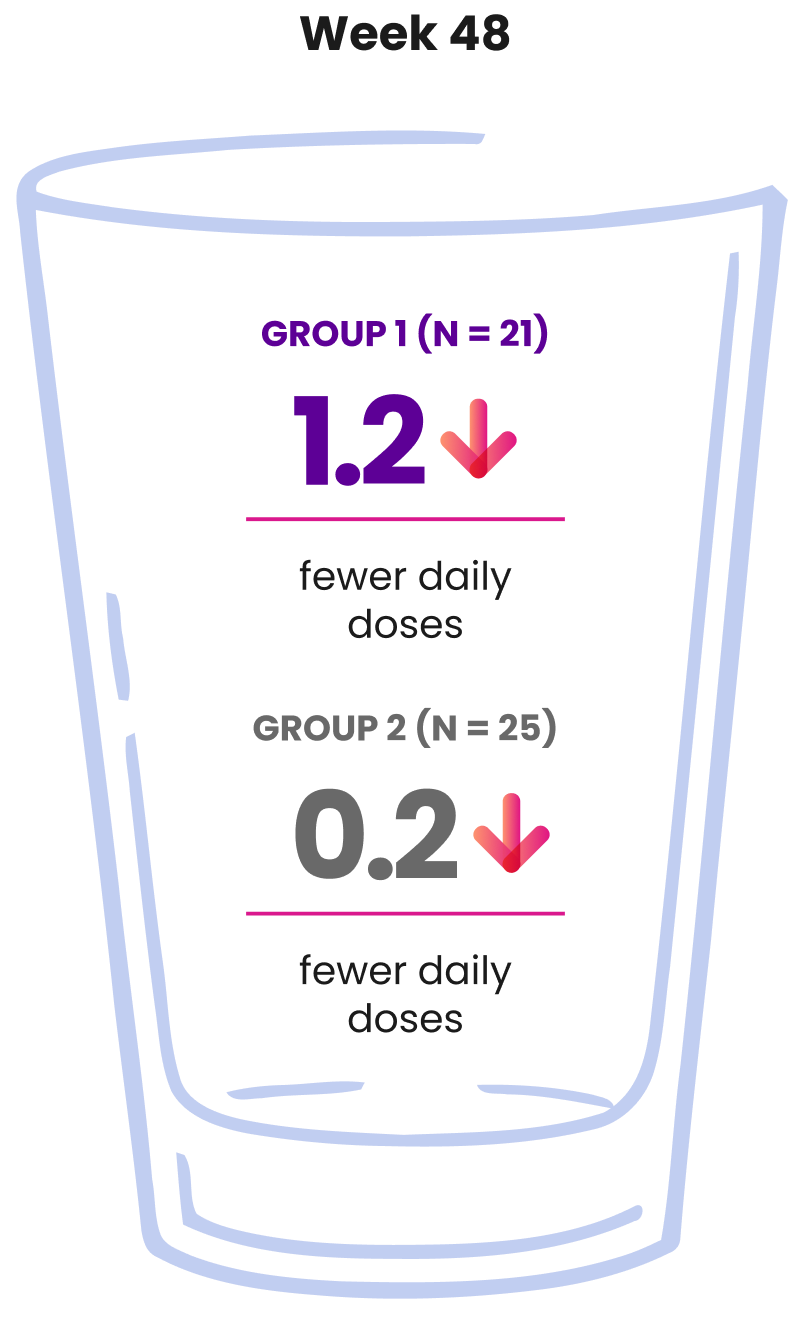
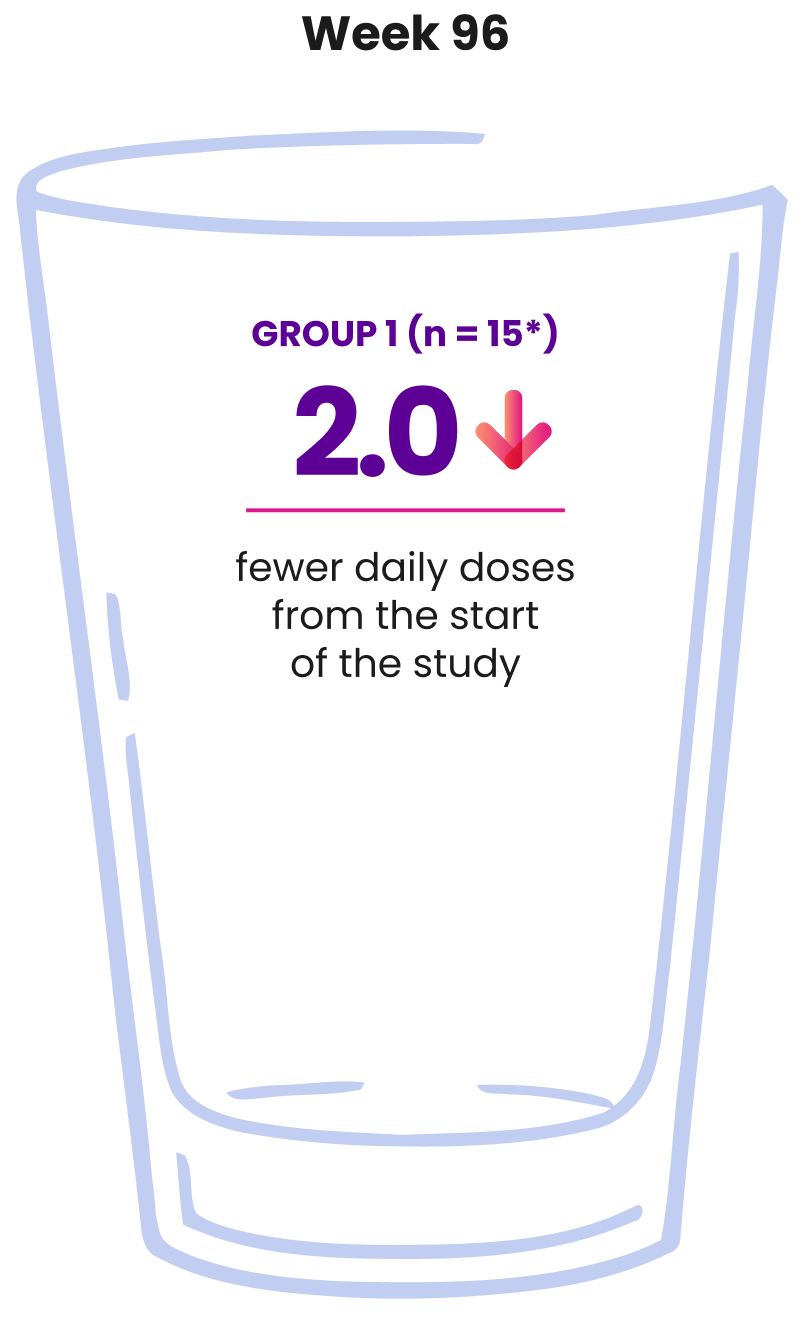
At the beginning of the study, the average number of daily cornstarch doses was 5.8 for Group 1 and 5.1 for Group 2.

Over a 4-week period during the study, blood glucose readings from continuous glucose monitors were collected and analyzed to determine how often participants reported blood glucose values in the hypoglycemic range (<70 mg/dL). These readings were compared against the percentage of values in the hypoglycemic range at the start of the study (Group 1 = 2.5% and Group 2 = 1.9%).
Group 1 (N = 21): +3.1%
Group 2 (N = 25): +0.1%
Group 1 (n = 19*): +5.2%
Seven serious side effects were observed in a GENGLYCOS study, including anaphylaxis/infusion reaction (2), adrenal gland problems (2), high lactate level (2), and low blood sugar (1).
The table below shows the most common side effects, which occurred in ≥10% of study participants from Groups 1 and 2 (N = 46) during the first 48 weeks.
Most common side effects
GENGLYCOS (N = 21)
Placebo (N = 25)
Increased liver enzymes
71%
12%
Nausea
38%
16%
Headache
24%
12%
High triglycerides†
29%
8%
Adrenal gland problems‡
24%
0%
Constipation
19%
0%
High blood glucose
14%
0%
Acne or acne-like skin rash
19%
0%
Cushingoid features§
14%
0%
Severe allergic reaction
10%
0%
Safety was also studied through week 96, and in a separate study of 12 adult participants with GSDIa who were followed for 52 weeks. No additional side effects were seen.

Allergic and infusion reactions, including anaphylaxis, occurred with GENGLYCOS treatment. Some of these reactions have been severe. You will be closely monitored during and after infusion for signs and symptoms, including hives, flushing, low blood pressure, wheezing, trouble breathing, chest tightness, nausea, vomiting, headache, stomach pain, lightheadedness, flu-like symptoms, shivering, rash, and high blood pressure.
GENGLYCOS can cause certain liver enzymes to increase. You will receive oral corticosteroids with or without other medications after your infusion and will receive regular blood tests to monitor your liver function. Contact your healthcare provider right away if you experience unusual tiredness, yellowing of your skin and/or eyes, dark urine, nausea, vomiting, or pain in the upper right side of your stomach area, or if you miss a dose of your corticosteroid or vomit after taking it.

Problems with adrenal glands, including serious events, have occurred in patients receiving GENGLYCOS during corticosteroid treatment. Signs of adrenal gland problems can include unusual tiredness, weakness, loss of appetite, nausea, vomiting, low blood pressure, low sodium levels in the blood, and low blood sugar. A severe form called adrenal crisis can cause very low blood pressure, sudden severe stomach pain, or loss of consciousness.

These are not all the possible side effects of GENGLYCOS. Talk to your healthcare provider about any side effects that bother you or don’t go away.
GENGLYCOS is a prescription gene therapy used along with nutritional management to help reduce the amount of cornstarch taken daily in adults and children 8 years and older with Glycogen Storage Disease type Ia (GSDla).
This use is approved under accelerated approval based on clinical study results that measured reduction in daily cornstarch intake. Verification of a clinical benefit may be needed for continued approval of GENGLYCOS.
Seven serious side effects were observed in a GENGLYCOS study, including anaphylaxis/infusion reaction (2), adrenal gland problems (2), high lactate level (2), and low blood sugar (1).
The most common side effects that occurred in individuals treated with GENGLYCOS in a study were:
These are not all the possible side effects of GENGLYCOS. Talk to your healthcare provider about any side effects that bother you or don’t go away.
You are encouraged to report negative side effects of prescription drugs to the FDA. Visit www.fda.gov/medwatch or call 1-800-FDA-1088. You may also report side effects to Ultragenyx Pharmaceutical Inc. at 1-888-756-8657.